After Two Years of Engagement, the City of Bozeman Adopts a New Development Code
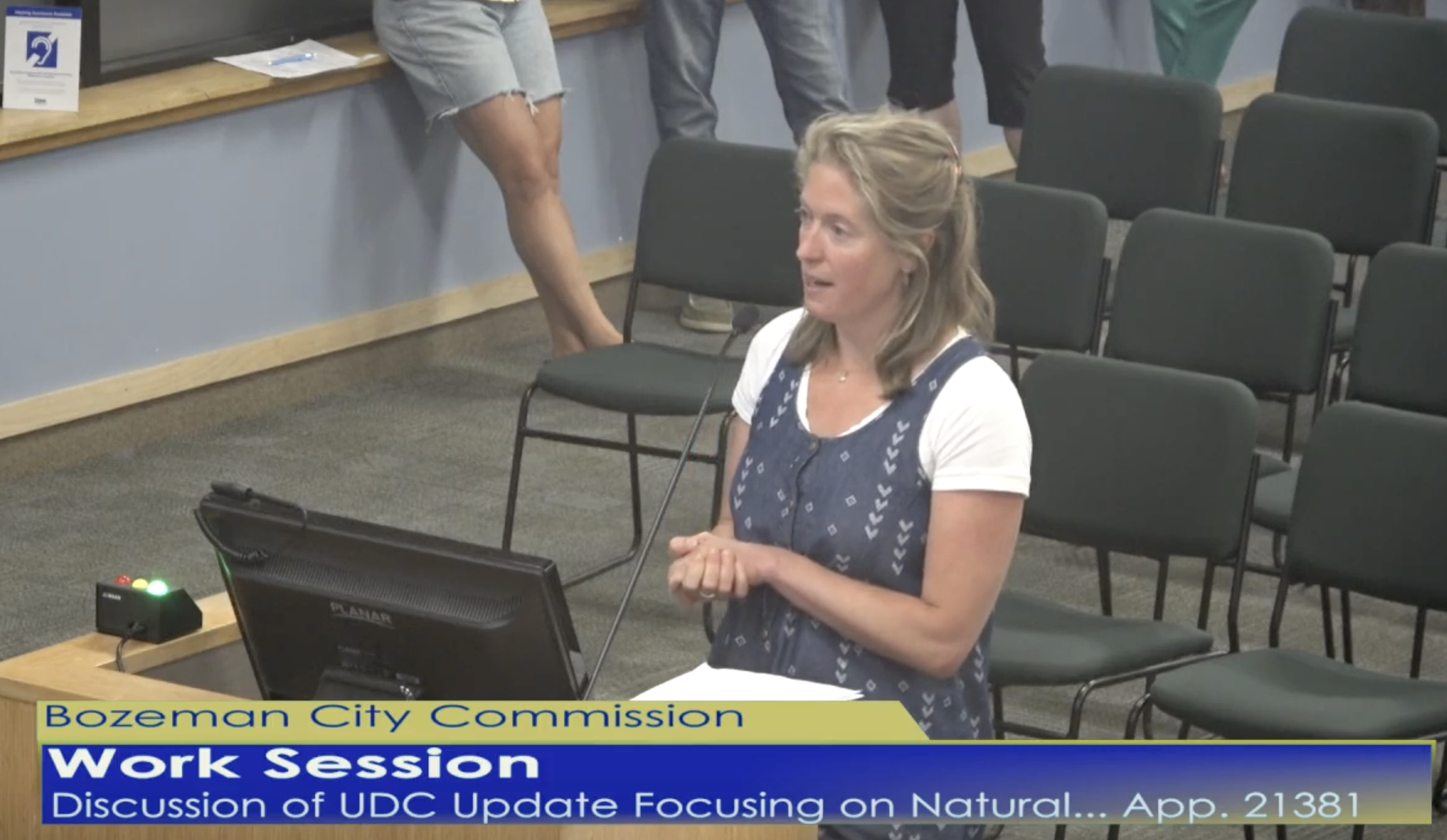
On December 16th, the City Commissioners adopted a new development code to guide how our City grows. During the two-year engagement process, the City asked a lot of our community: share your vision for the city, let us know what works and what doesn’t, and help make it better.
Stakeholders in the Gallatin Water Collaborative answered the call. We convened working groups of technical experts and water users—including irrigators, hydrologists, fisheries biologists, engineers, and developers—to listen to one another about how development projects play out on the ground, including where there is friction and conflict. From these conversations, we developed solutions and recommendations grounded in lived experience and the best available science.
This work resulted in two policy memos. In general, we found that the intent of Bozeman’s code was good, but there were challenges with implementation, sometimes resulting in projects that didn’t align with our community's values. Our recommendations focused less on creating new or different regulations and more on clarifying and streamlining existing ones. Our main points were to:
Make the stewardship of streams and wetlands a front-and-center priority throughout the UDC by integrating it into the purpose and intent sections for community design, park requirements, project design, and landscaping.
Require on-the-ground mapping of streams, wetlands, and ditches earlier in the project planning process. This allows for significant site constraints to be identified first, ensuring that impact avoidance is prioritized from the outset.
Incentivize multi-use areas, such as stormwater facilities designed appropriately for park space and or wetlands and watercourse setbacks designated as parkland, in order to align open space around high-priority sensitive lands and maximize buildable lot area.
Clarify that any proposed impacts to an irrigation ditch require written consent from the easement holder, consistent with state law.
Standardize terminology for mapping aquatic resources and consolidate reporting requirements.
UDC Resources
Many of our recommendations were not incorporated. We still feel these recommendations are important to better enforce Bozeman’s development code, but we also recognize that water is a complex topic, and in a 500 page document that covers everything from building heights to wetland buffers, City Staff and Commissioners had a lot to unpack. While there may not have been the time to fully digest and implement many of the Collaborative’s comments, City Staff and Commissioners have shown consideration and support for their intent. Improving our watershed and our city is a marathon, not a sprint, and we feel a lot of momentum around collaborative water stewardship, and couldn’t be more thankful to our community for showing up.
🔗 Draft UDC on Engage Bozeman
🔗 Gallatin Water Collaborative Policy Memo: Streams & Wetlands
🔗 Gallatin Water Collaborative Policy Memo: Irrigation Ditches
Written by Katherine Berry