
Riparian Walks: Meandering Together
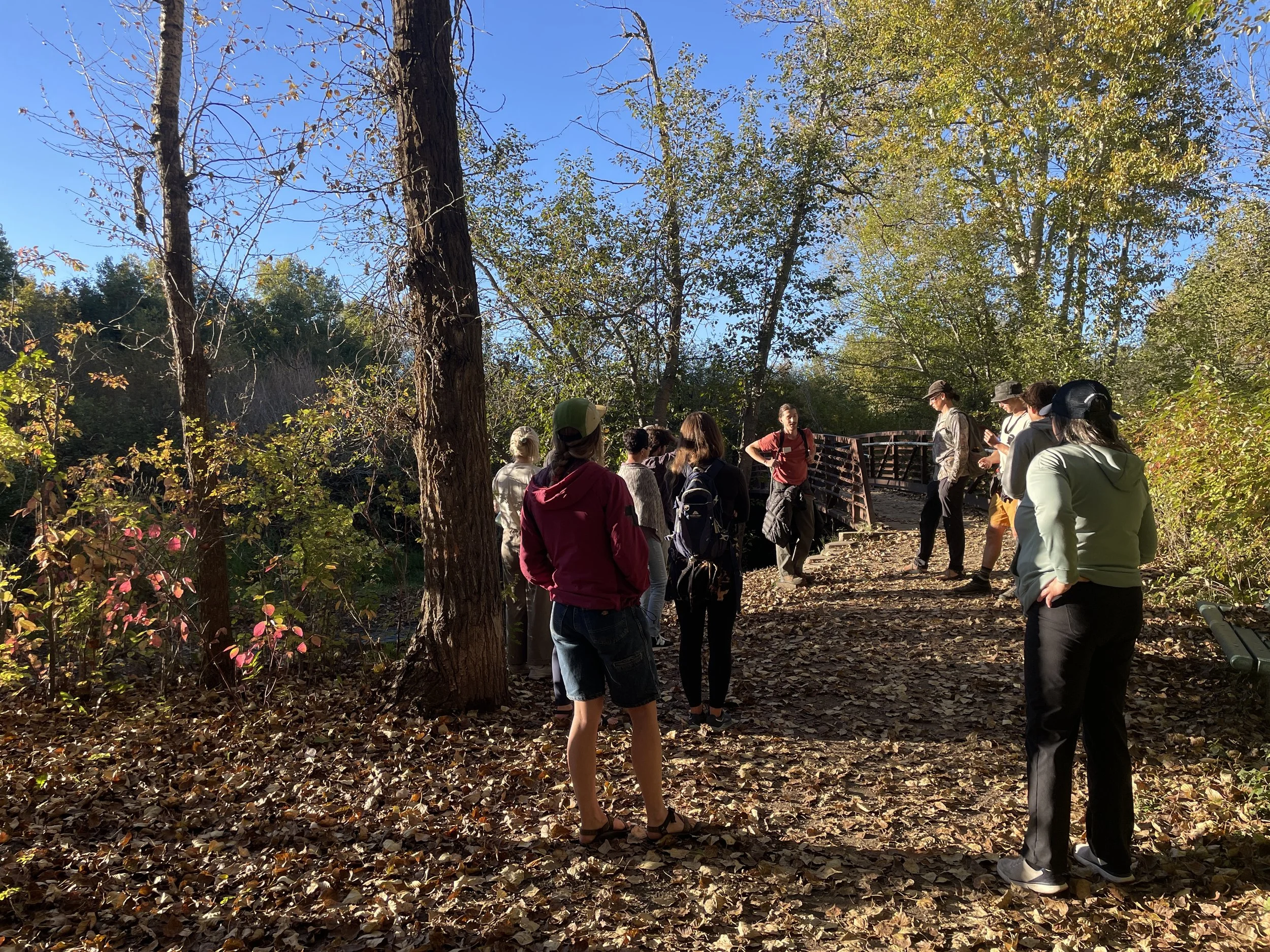
A beautiful day for a riparian walk on Bozeman Creek.
When I think of a healthy stream, I think of a meandering one, shaped continuously by the landscape it moves through. Its banks, floodplain, soils, rooted plants, and other living communities all influence how the channel adjusts over time. In a healthy system, a stream's connection to its floodplain is maintained through periodic flooding, which supports a diversity of habitats and opportunities for life.
This summer, we set out to get to know these places better through our riparian walks series. I came in with expectations influenced by past experience as a guide, but the walks quickly offered new perspectives. Their flow began to resemble the dynamics of a healthy stream, with each outing shaped by its setting, the season, the people who joined, and the species that drew our attention.
By slowing down and allowing ourselves to be distracted, we created opportunities to notice patterns, ask deeper questions, and share stories. We began to recognize ourselves not just as visitors, but as members of the riparian ecosystem, capable of noticing when conditions are changing and why that matters. Our meandering pace and observations reminded us how much we benefit from healthy streams and how our actions help shape the conditions that support cottonwoods, chokecherries, and chickadees.
The curiosity, skills, and ways of paying attention shared by participants this year have shifted how I relate to this valley. In August, for example, Fireweed had traded its bright magenta flame for smoke, seed pods ready to burst if touched just right. Our guest guide showed us how to tap them gently so the pods would split and the fluffy seeds would lift off, carried away by the wind. The practice felt so delicate, especially knowing each flower had spent the entire summer preparing for this moment. Other community members have brought the scents and flavors of riparian habitats into our learning. From rose hip tea to chokecherry jelly, we were introduced to what these plants offer us, alongside a growing understanding of how we can care for them in return.
To be an effective steward of complex, ever-changing systems, we must recognize how dependent a stream’s form is on a delicate web of interactions. If those relationships aren’t reinforced, they can be lost. When a river is stripped of the native vegetation that once lined its banks, pasture grasses and other shallow-rooted, competitive forbs take over. The stream loses the deep root networks that once stabilized its banks. Water moves faster, erosion increases, and the channel cuts deeper. Without the ability to flood like it once did, the surrounding area dries up, and the stream’s connection to its floodplain begins to fade.
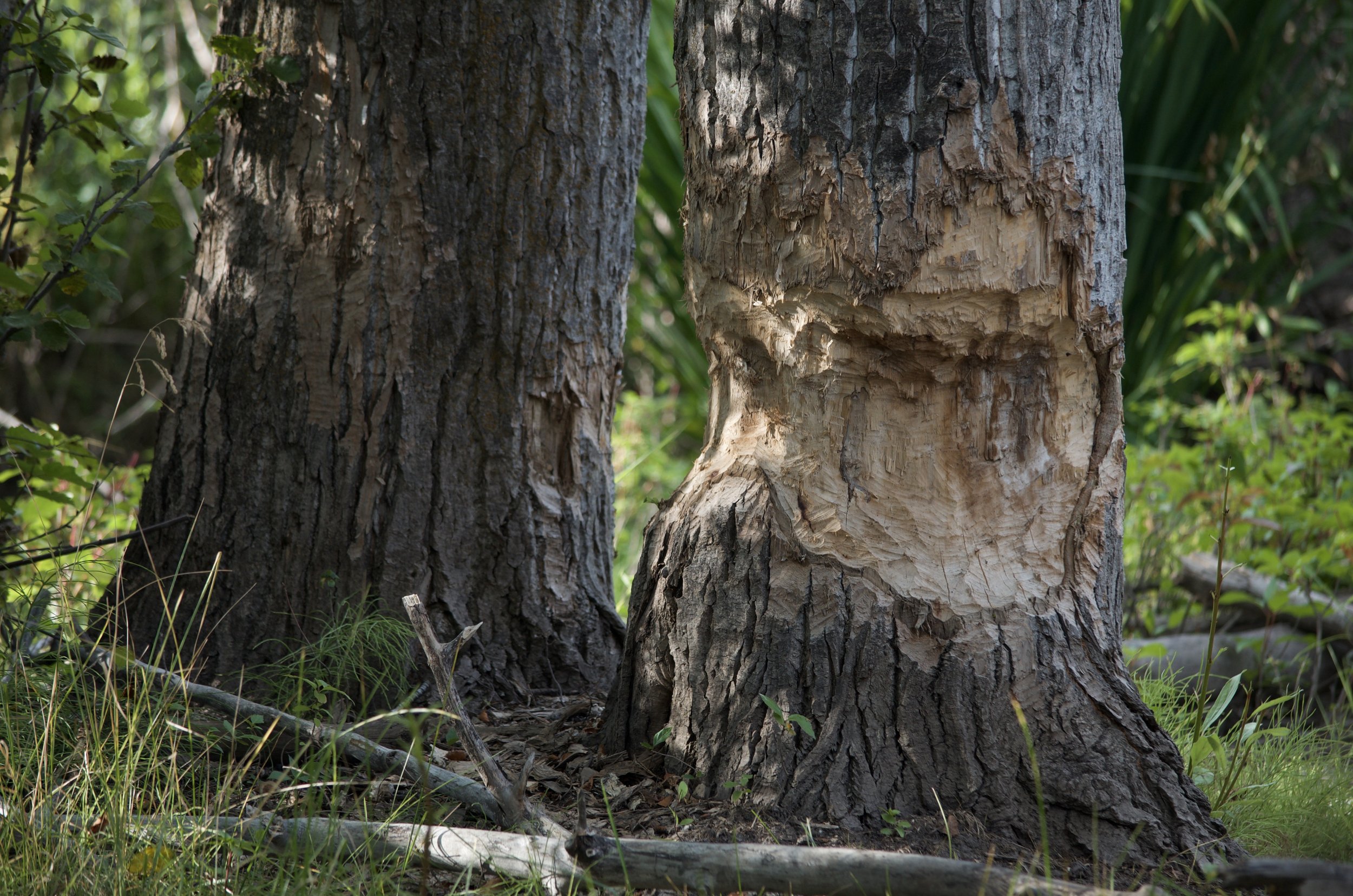
Observations on a riparian walk can be big or small, both offer the chance to slow down and learn about a place.
When those physical connections disappear, so does the accumulated knowledge of how water once moved across the land: knowledge held in roots and soils, but also in generations of human observation and interaction.
A stream that loses connection to its floodplain does not stop being a stream. It continues to flow and follow the path of least resistance, but it becomes simpler, faster, and less capable of supporting diverse life. Similarly, when we stop slowing down, paying attention, and learning from the places we move through, our relationships with those places narrow. When we move through landscapes with awareness and patience, the patterns that sustain floodplain life become visible, allowing us to recognize what is being supported and what is at risk. Meandering, by streams and by people, is not inefficiency: it is the process through which complexity, resilience, and care take shape over time.
Written by Ben Buescher