Gallatin DDAMP - Not too wet, not too dry
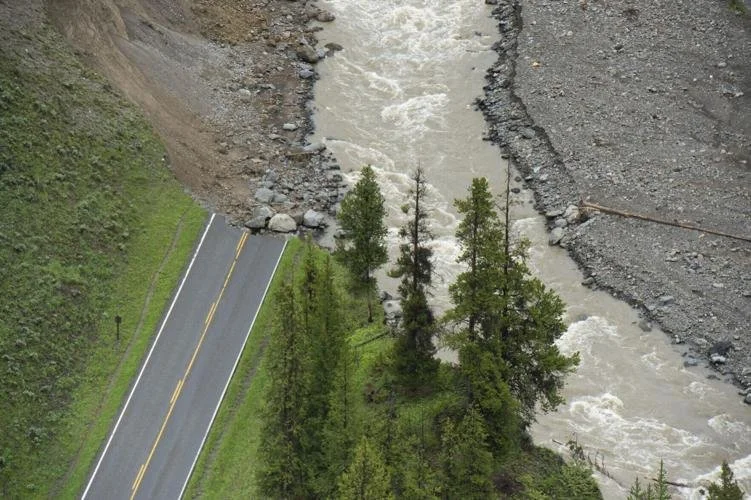
If you’ve lived in the Gallatin Valley for a little while, you know that each year brings something different. In 2020, extremely dry conditions led to the Bridger Foothills Fire, which burned more than 8,000 acres and destroyed 68 homes. Two years later, the historic Yellowstone floods sent a clear message across southwest Montana that we also need to be ready for the other extreme. According to research from Headwaters Economics, Gallatin County is 69% more susceptible to flooding than counties nationwide.
We can’t control the climate. But we can control how prepared we are for changing conditions.
That’s why the Gallatin Water Collaborative, a multi-stakeholder group convened by the Gallatin Watershed Council, identified drought and flood planning as a top priority when we first began meeting in 2021. Last year, in partnership with Gallatin County, we secured funding to develop the Gallatin Drought and Deluge Adaptive Management Plan, or DDAMP (pronounced “damp”) - not too dry and not too wet.
The goal of DDAMP is to improve how we communicate during drought and flood events, to coordinate voluntary conservation efforts across the watershed, and to identify long-term projects that make our communities, farms, businesses, and rivers more resilient.
This year, we’ve brought together a working group of irrigators, city planners, emergency responders, scientists, conservation groups, and water managers from across the watershed. Some areas of our watershed already have drought plans, including Big Sky and the City of Bozeman. But until now, there hasn’t been a coordinated, watershed-wide approach that connects the Upper and Lower Gallatin and aligns communication and response strategies across communities.
In our first three stakeholder meetings, we asked the question: what does drought and deluge actually look like here? That conversation ranged from dry wells, stressed crops, and fish die-offs, to flooded neighborhoods, damaged culverts, and public safety concerns. Next, we dug into the data, how snowpack, streamflow, groundwater, and weather are tracked, and how to turn that technical information into clear, consistent updates the public can understand and act on. In our third meeting, we focused on identifying solutions like water conservation, storage, aquifer recharge, stream restoration, infrastructure upgrades, and smarter floodplain planning. Over the next several months, we’ll be working to figure out how each of these partners fits into a piece of the solution puzzle, and we’ll be working on writing the plan. DDAMP is about neighbors working together to protect the clean, reliable water we all depend on, regardless of what kind of year comes next. Stay tuned!